Nissan Leaf Battery Replacement Cost (2026): By Pack and Path
$4,000–$12,000 typical reviewed June 2026
A Nissan Leaf battery costs about $4,000 to $12,000 in 2026 depending on pack size and whether you go new, refurbished, or used. Price yours and get the replace-or-sell call.
Covers: Leaf 24 kWh, Leaf 40 kWh, Leaf 62 kWh (Plus)
Price your Nissan Leaf battery pack and decide
Pick your pack, the path you're weighing, and what the car's worth today. The number and our take update as you go. No email, no quote form.
Estimated cost, this path
––
Most pay around – for this option.
Our take: …
Pick your options above and your recommendation appears here.
How this estimate is built
Pack plus labor, U.S. retail · reviewed June 2026. Your real quote varies by shop, region, and pack health.
Every way to buy it, compared
| Path | Typical cost | Longevity | Warranty | Main risk |
|---|---|---|---|---|
| Dealer / OEM new | $6,500–$8,500 | 8–10 years, like new | Nissan part warranty | Dealer pushes new OEM |
| Independent, new pack | $5,800–$7,500 | 8–10 years | Shop, often 1–2 yr | Few shops stock Leaf packs |
| Refurbished pack | $4,000–$6,000 | Several years | 1–2 yr common | Capacity varies, check the bars |
| Reconditioned | $2,500–$4,500 | Unknown, check state of health | Often short or none | Used-pack health is a gamble |
Replace, refurbish, or sell the Nissan Leaf?
The Leaf is the EV where this decision actually bites, because older ones are cheap and the pack can cost as much as the car. On a clean 40 or 62 kWh car still worth real money, a refurbished or upgrade pack is a strong move. On an old 24 kWh Leaf worth a few thousand dollars, a new pack rarely pencils out, and selling as-is, or buying a used pack only if it's cheap and tested, is the honest answer.
Worth fixing if you…
- Have a 40 or 62 kWh Leaf still worth well above the pack price
- Want a capacity upgrade that buys back range, not just life
- Can get a tested pack with the state of health in writing
- Plan to keep the car for years
Lean toward selling if you…
- Have an old 24 kWh Leaf worth less than a new pack
- Were quoted dealer-new on a low-value car
- Can't get a real state-of-health number on a used pack
The Nissan Leaf is where this whole decision gets real. Early Leafs are now genuinely cheap cars, and the battery in them can cost as much as the car is worth, which means “should I replace it?” is a question with a real chance of the answer being no. That’s not really a knock on the Leaf, more a quirk of how the early cars were built. The first-generation 24 kWh pack has no active thermal management, just air cooling, so it degrades noticeably faster than a liquid-cooled EV pack once you’re in a hot climate. The cars most likely to actually need a new battery are, almost by definition, the ones worth the least. It’s the honest math of an early EV whose value has fallen faster than the price of a new pack.
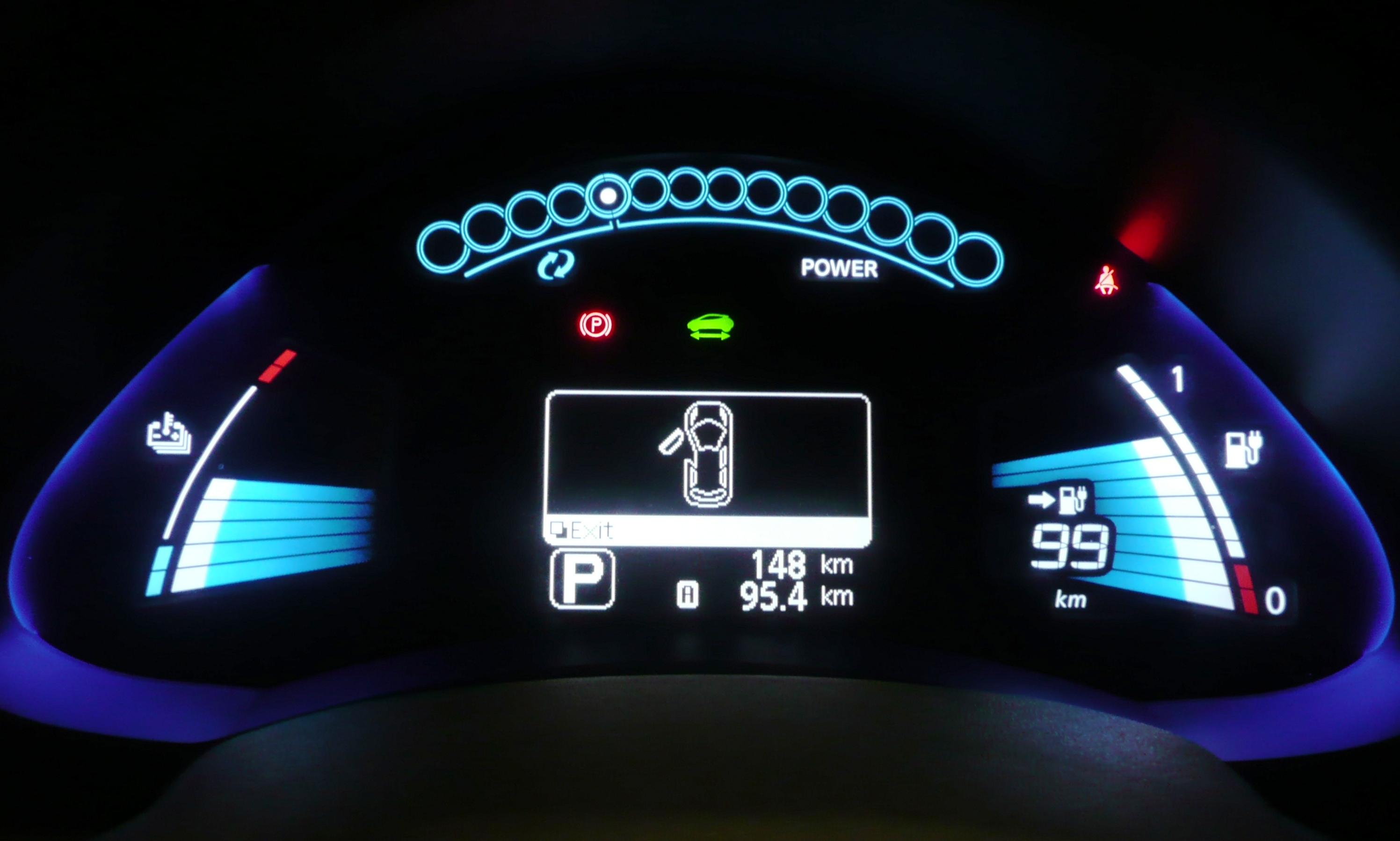
What you’ll pay turns on pack size and path. A 24 kWh pack from the first cars is the cheapest to replace, a 40 kWh mid-range, and a 62 kWh Leaf Plus the most. A new OEM pack at a Nissan dealer is the top of the range; a refurbished pack from an EV specialist is less; and a used pack pulled from a wrecked Leaf is cheapest of all, with the obvious catch that you’re buying someone else’s wear. The Leaf also has a trick the others don’t: several shops will fit a bigger pack than the car came with, so an old 24 kWh car can get a 40 kWh upgrade that buys back range as well as years. It costs more, but on a keeper it can be the smartest spend.
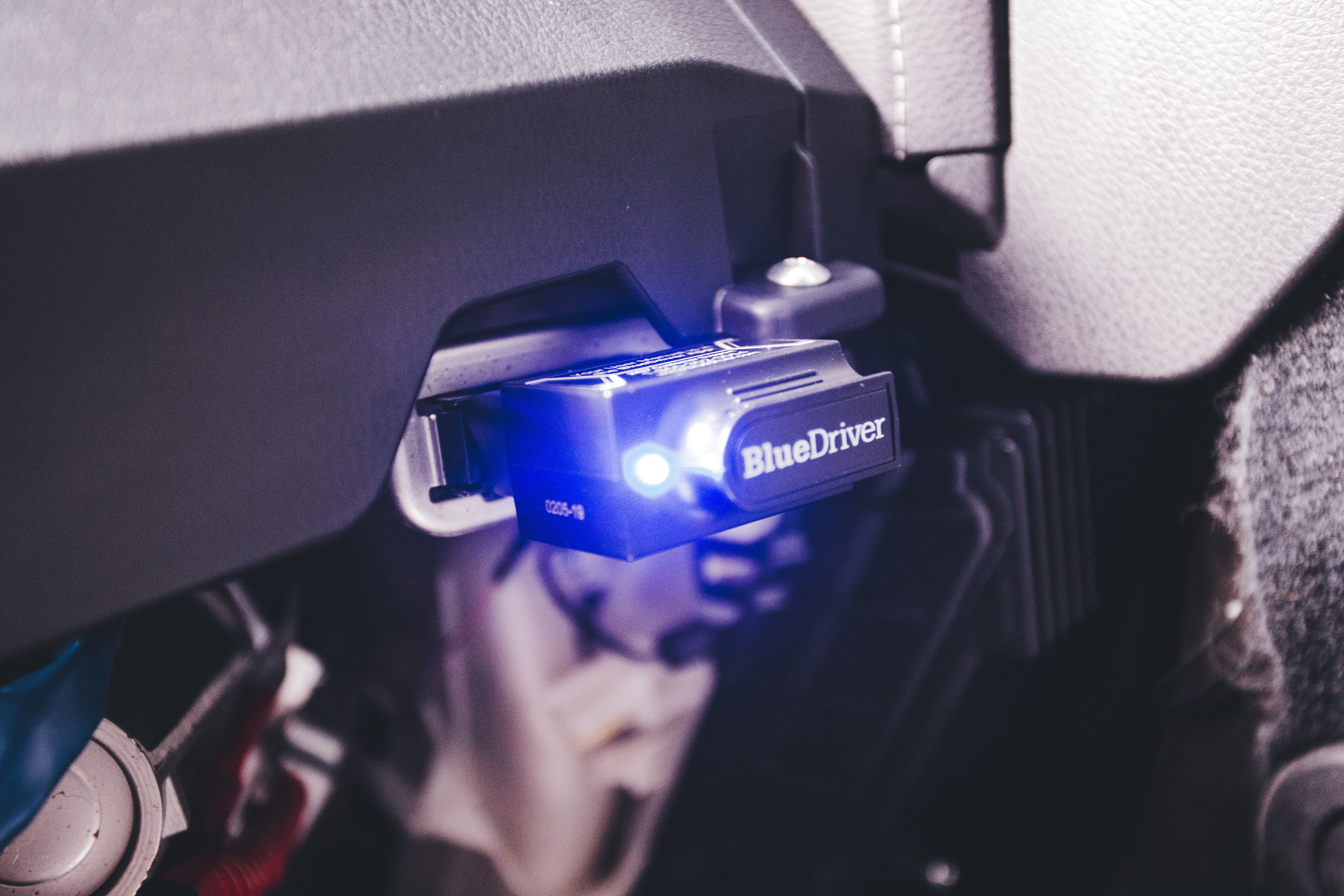
The one number that decides everything on a used or refurbished pack is state of health. The Leaf shows it in capacity bars, up to twelve, and a healthy replacement should be at or near the top. Never buy a used Leaf pack without that figure in writing, because a pack that’s already lost several bars is a repair you’ll be making again sooner than you think.
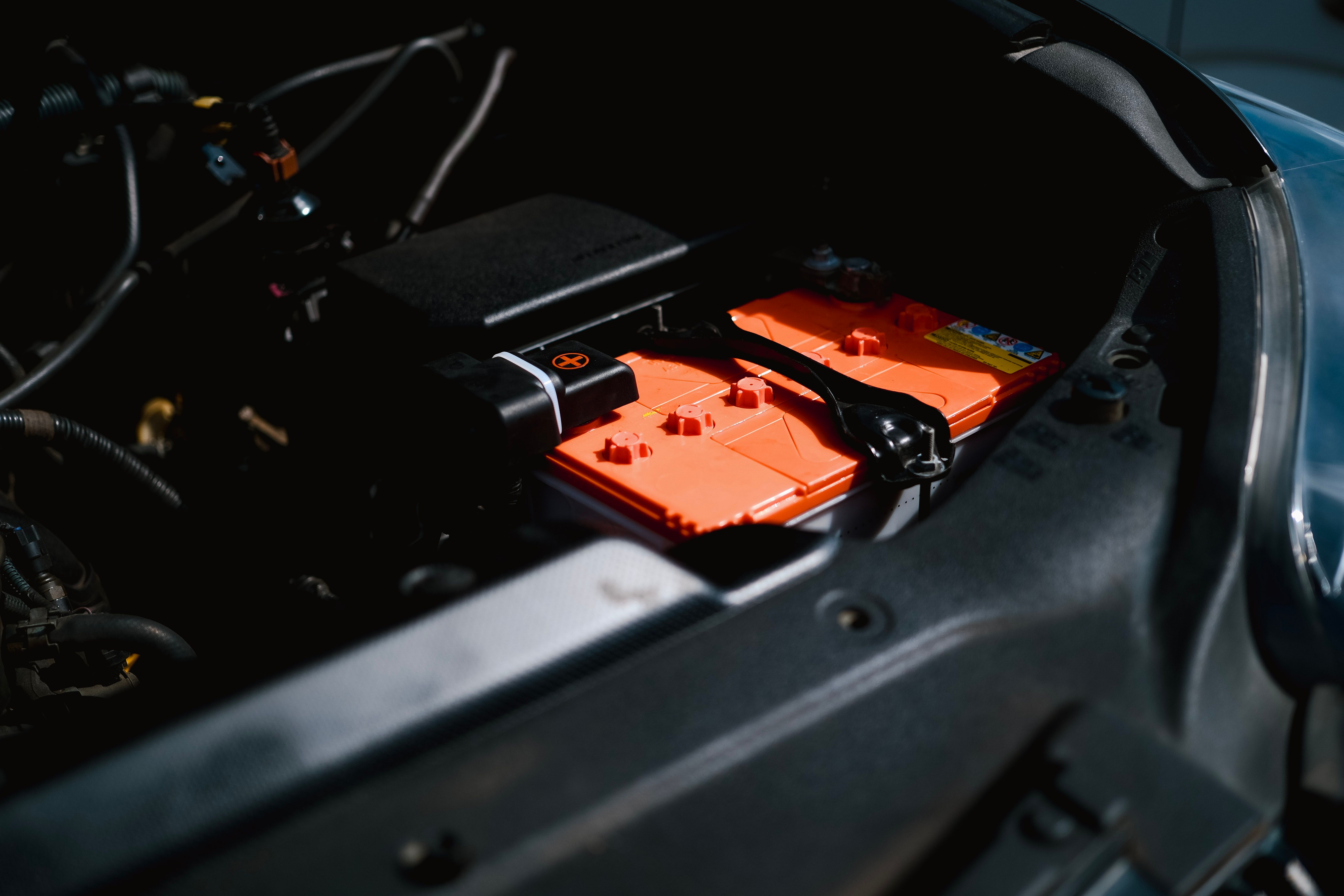
Run your pack and path through the estimator, then put in what the car is worth today. On a clean 40 or 62 kWh Leaf still worth real money, a refurbished or upgrade pack is a strong move. On an old 24 kWh car worth less than the battery, the estimator will likely tell you to sell, and it’s right to. This is the model where running the numbers first saves people the most.

What moves the price
| What changes the price | Effect on cost |
|---|---|
| Pack size | A 24 kWh pack is cheapest, a 40 kWh mid-range, and a 62 kWh Leaf Plus the most. Bigger battery, bigger bill. |
| New, refurbished, or used | A new OEM pack is the top of the range. A refurbished or higher-capacity upgrade pack runs less, and a used pack from a wrecked Leaf is cheapest but the biggest gamble. |
| Capacity upgrade option | Some specialists fit a larger pack than the car came with (for example a 40 kWh into an old 24 kWh car), buying back range as well as life. It costs more but can be worth it. |
| Who does the work | A Nissan dealer charges the most and leans toward new OEM. The independent EV-pack market is where the cheaper refurbished and upgrade options live. |
| State of health | On a used or refurbished pack, the number that matters is remaining capacity. Always get the state of health, in bars or a percentage, in writing before you buy. |
Tools and further reading
As an Amazon Associate, BatteryJoule earns from qualifying purchases.
- OBDLink MX+ Bluetooth adapter (LeafSpy Pro compatible) (affiliate), The reliable adapter for LeafSpy Pro: reads true state of health, gids, and per-cell voltages
- Veepeak OBDCheck BLE+ (budget LeafSpy adapter) (affiliate), Cheaper LeafSpy-compatible option; skip ultra-cheap clones that drop the connection or misreport