Chevy Volt Battery Replacement Cost (2026): What It Really Runs
$4,500–$10,500 typical reviewed July 2026
A Chevy Volt hybrid battery replacement runs about $4,500 to $10,500 in 2026 depending on generation and path. Price yours and see if a plug-in Volt is worth keeping.
Covers: Volt (Gen 1, 2011–2015), Volt (Gen 2, 2016–2019)
Price your Chevy Volt battery pack and decide
Pick your pack, the path you're weighing, and what the car's worth today. The number and our take update as you go. No email, no quote form.
Estimated cost, this path
––
Most pay around – for this option.
Our take: …
Pick your options above and your recommendation appears here.
How this estimate is built
Pack plus labor, U.S. retail · reviewed July 2026. Your real quote varies by shop, region, and pack health.
Every way to buy it, compared
| Path | Typical cost | Longevity | Warranty | Main risk |
|---|---|---|---|---|
| Dealer / OEM new | $8,500–$10,500 | 8–10 years, like new | GM part warranty | Top dollar for an aging car |
| Independent, new pack | $6,500–$9,500 | 8–10 years | Shop warranty, often 1–3 yr | Fewer shops stock Volt packs |
| Refurbished pack | $4,500–$8,000 | 3–5 years typical | 1–2 yr common | Quality varies by rebuilder |
| Reconditioned | $800–$3,000 | 2–4 years | Often 1–2 yr | Only the weak modules get swapped |
Replace, refurbish, or sell the Chevy Volt?
The Volt is a plug-in hybrid, so unlike a pure EV a dead traction battery doesn't strand you, the gas engine still gets you home. That changes the math: on a clean, low-mile Volt you plan to keep, a remanufactured pack or module repair is usually worth it and cheap relative to a new car. On a high-mile Gen 1 Volt worth less than the repair, driving it as a straight gas hybrid or selling as-is often beats paying five figures for a fix.
Worth fixing if you…
- Have confirmed the car is out of GM's 8-year/100,000-mile warranty
- Own a Volt still worth clearly more than a remanufactured pack
- Can get an independent hybrid shop to quote a module repair first
- Plan to keep the car and value the electric-only miles
Lean toward selling if you…
- Have an old, high-mile Gen 1 Volt worth near or below the repair cost
- Were quoted dealer-new without a module-level diagnosis first
- Don't mind driving it as a gas-only hybrid instead of paying to fix the pack
The Chevy Volt occupies an odd spot in this whole battery conversation, because it’s a plug-in hybrid with a gas engine as backup. A dead traction battery doesn’t strand you the way it would in a Bolt or a Leaf. It just turns your Volt into a regular gas-powered car with worse mileage. That single fact changes how you should think about every number below.

Retail pricing still isn’t cheap. RepairPal puts the typical dealer job at $9,393 to $9,701, with the pack itself running around $8,735 of that and labor adding a few hundred more. Independent hybrid and EV shops routinely undercut dealer pricing by 30 to 50 percent on a comparable or remanufactured pack, which is where the $6,500 to $9,500 range for independent-new work comes from. Generation matters too: a Gen 1 car (2011 to 2015) uses a smaller 16 kWh pack and tends to price lower, while a Gen 2 car (2016 to 2019) has an 18.4 kWh pack that costs more across every path. If only a handful of cells have actually failed, a module-level recondition can bring the bill under $3,000, which is the option worth chasing before you accept a full-pack quote.
Don’t confuse this with the Chevy Bolt’s battery story. GM recalled every 2017 to 2019 Bolt for free pack replacement after LG Chem cells caused fires, a completely different vehicle and a completely different battery supplier. The Volt’s own notable safety action dates to 2011 and 2012, when a side-impact-tested Volt caught fire from a punctured coolant line weeks after the test; GM’s fix was a structural reinforcement and a tamper-resistant coolant reservoir bracket, not a batch of free new packs. If you’re hoping for Bolt-style recall coverage on a Volt, it isn’t there. What you do have is GM’s ordinary 8-year, 100,000-mile hybrid warranty, extended in some states. GM stopped building the Volt after 2019, though, so most Volts on the road today have already aged past that 8-year window. Check your car’s age and mileage before assuming anything is covered.

Run your Volt’s generation and the path you’re weighing through the estimator, then weigh it against what the car is actually worth. Because a Volt keeps driving on gas alone even with a dead pack, the decision is less binary than on a pure EV: a remanufactured pack or module repair on a car you plan to keep is usually the right call, while a high-mile Gen 1 Volt with other problems piling up is often better sold as-is or simply driven as a regular hybrid until it’s time to move on.

What moves the price
| What changes the price | Effect on cost |
|---|---|
| Gen 1 vs Gen 2 | A Gen 1 (2011–2015) pack is the cheaper of the two. A Gen 2 (2016–2019) pack holds more energy and costs more to replace, whether new or refurbished. |
| New vs remanufactured vs module repair | This is the biggest swing. A new GM pack at a dealer runs into five figures on a Gen 2 car. A remanufactured pack from a hybrid specialist is meaningfully less, and a module-level repair of your existing pack, where the pack itself is otherwise sound, can be a fraction of that again. |
| The car's falling value | GM discontinued the Volt after the 2019 model year, so every one on the road is aging and depreciating. A five-figure dealer quote on a car worth $8,000 to $12,000 is a real math problem, not a formality. |
| Who does the work | A Chevrolet dealer charges the most and defaults to new GM parts. Independent hybrid and EV specialists typically undercut dealer pricing by 30 to 50 percent on the same or a comparable pack. |
| Warranty status | GM's hybrid/EV component warranty on the Volt runs 8 years or 100,000 miles (up to 10 years/150,000 miles in some states). A car still inside that window with a genuine pack failure should be covered at no charge. Confirm before paying anything. |
Tools and further reading
As an Amazon Associate, BatteryJoule earns from qualifying purchases.
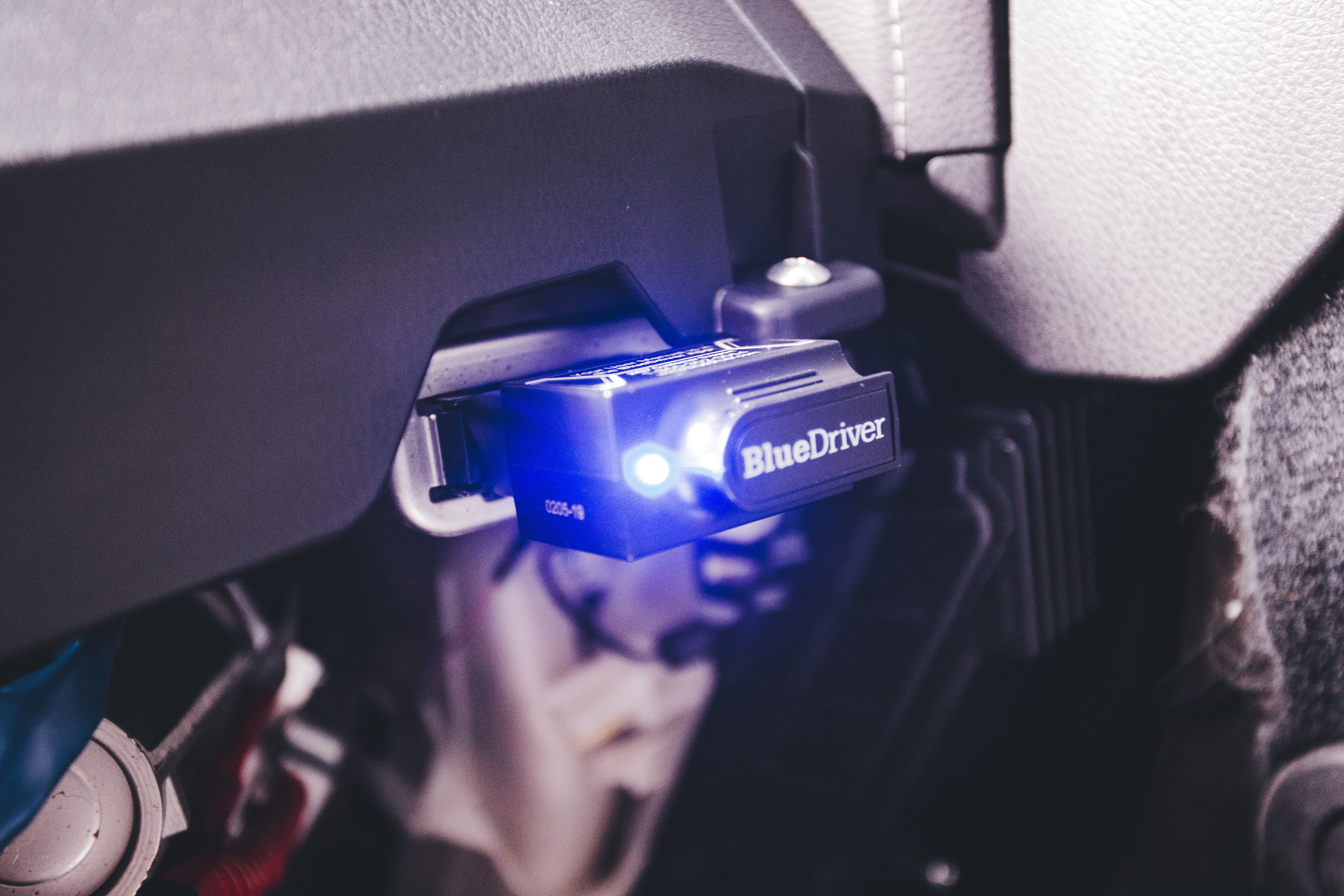
- OBDLink MX+ Bluetooth OBD2 adapter (affiliate), Reads Volt pack data with Torque Pro and the right PIDs before you agree to a replacement
- Automotive digital multimeter (affiliate), Check voltages yourself before trusting a full-pack quote